The Coffin’s Expression: How Design Shapes the Mood of Farewell

The Coffin’s Expression: How Design Shapes the Mood of Farewell
When someone passes away, the coffin often becomes the central symbol of the farewell. It stands at the heart of the ceremony, surrounded by flowers, light, and loved ones, setting the tone for the entire moment of goodbye. While coffins were once almost always traditional and uniform, today families have far more freedom to choose a design that reflects the personality of the deceased and the values of those saying farewell. But how does the design of a coffin actually shape the mood of the ceremony—and what should one consider when making that choice?
From Tradition to Personal Expression
For generations, coffin design in the United States was guided by convention. Polished wood in dark tones, brass handles, and a satin interior were seen as dignified and appropriate for nearly everyone. In recent years, however, there has been a clear shift toward personalization. Some families choose lighter woods or eco-friendly materials, while others opt for painted finishes, custom engravings, or even hand-decorated surfaces that tell a story about the person’s life.
This change reflects a broader transformation in how Americans approach funerals. Where services once followed a fixed pattern, many families now seek ceremonies that feel meaningful and authentic. The coffin’s design becomes part of that narrative—a visual expression of the life being honored.
The Language of Color
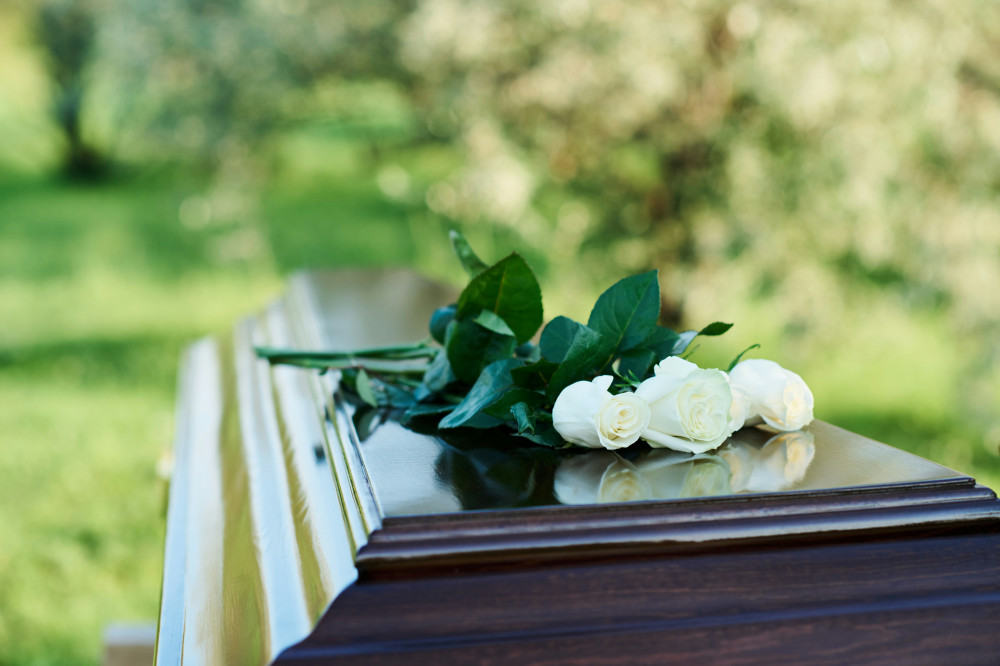
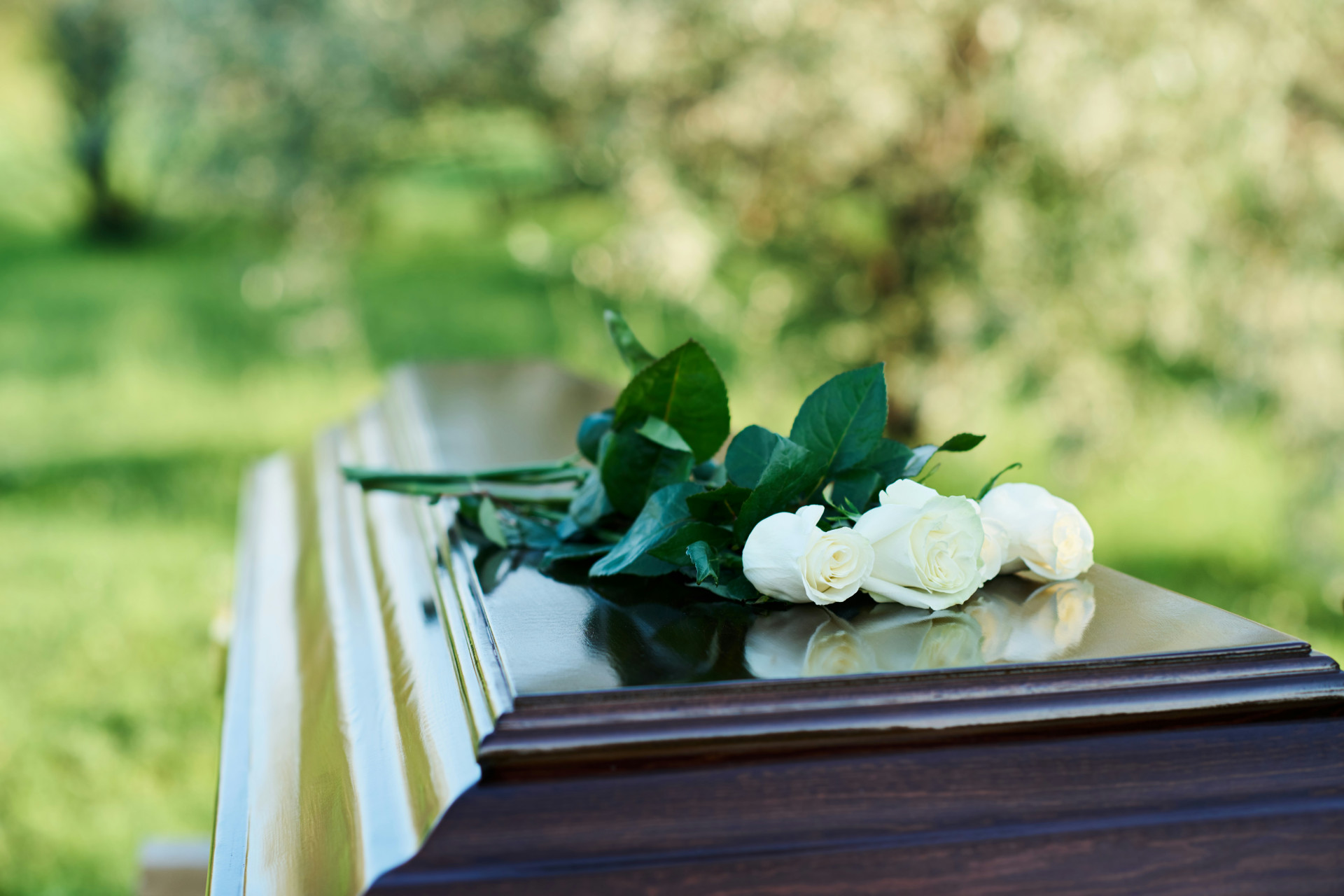
Color plays a powerful role in shaping emotion. A white or cream-colored coffin can evoke peace and purity, while natural wood tones bring warmth and a sense of grounding. Darker finishes such as walnut or mahogany convey formality and tradition, while soft hues—like blue, green, or gray—can create a calm, reflective atmosphere.
Some families choose colors that held personal significance. A deep blue might recall a love of the ocean; a green finish could symbolize a connection to nature. The goal is not extravagance, but resonance—to create a setting that feels true to the person being remembered.
Materials and Craftsmanship
Beyond color, the material and craftsmanship of a coffin deeply influence its character. Solid hardwoods convey permanence and dignity, while lighter materials such as pine, bamboo, or even biodegradable fiberboard suggest simplicity and environmental awareness.
Details matter, too. Rounded edges can soften the overall impression, while sleek, angular lines lend a modern feel. Handles, carvings, and surface textures all contribute to the emotional tone. Even subtle elements—a cross, a floral motif, or a simple engraving—can help express love and respect in a tangible way.
Læs også:
The Coffin as Symbol
A coffin is more than a vessel; it is a symbol of transition. It marks the passage from presence to memory, from life to legacy. Choosing a coffin can therefore be an act of storytelling and care. For some families, it becomes a source of comfort to select something that feels “right” for the person they are honoring—a natural wood coffin for the gardener, a minimalist design for the one who valued simplicity, or a hand-painted surface created by children or grandchildren.
Part of a Larger Whole
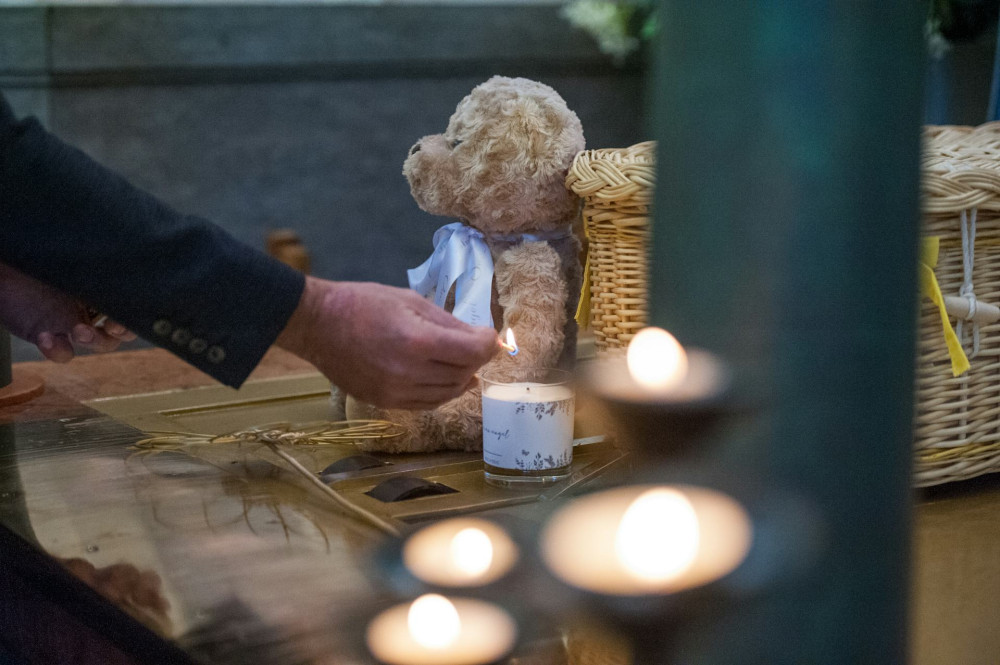
The coffin’s design should be seen as one element within the larger composition of the farewell. Flowers, music, lighting, and words all interact to create the overall atmosphere. A light-colored coffin surrounded by spring blooms and gentle music evokes a very different mood than a dark, polished coffin in a candlelit chapel accompanied by classical hymns.
Working with a funeral director or celebrant can help families think through these choices. What do you want the farewell to express? What emotions should the space evoke? When all the elements align, the ceremony becomes not only beautiful but deeply meaningful.
A Choice Made with Care
Selecting a coffin is a decision few people have experience with, and it can feel daunting in the midst of grief. Yet it can also be a quiet, healing process—a way to honor a life through thoughtful detail. Many families find peace in making a choice that feels personal and fitting.
Whether traditional or contemporary, simple or ornate, the design of a coffin ultimately serves one purpose: to create a setting that holds both sorrow and love. In its form, color, and craftsmanship, the coffin becomes part of the story of farewell—and of the life that came before it.
Læs også: