How to Show Compassion at a Funeral

How to Show Compassion at a Funeral
A funeral is one of life’s most emotional moments—a time when grief, love, and remembrance come together. It can be difficult to know what to say or do, especially when you want to offer comfort without overstepping. The truth is, compassion at a funeral isn’t about finding the perfect words; it’s about being present, respectful, and sincere. Here are some thoughtful ways to show compassion when someone you know is grieving.
Be Present – Even in Silence
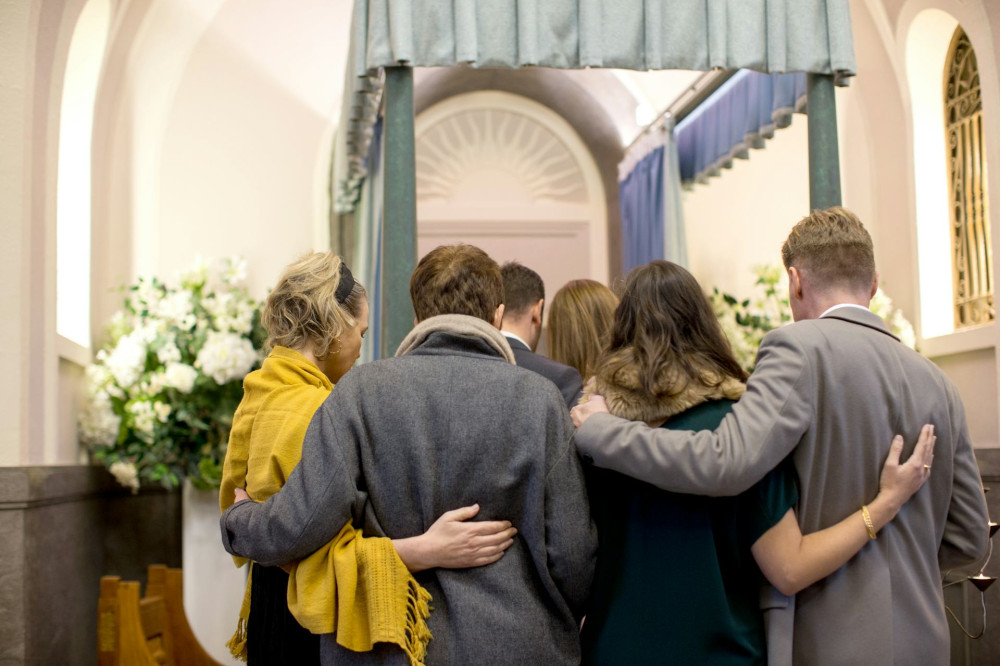
When you’re around people who are grieving, it’s natural to want to ease their pain with words. But sometimes, the most powerful support comes from simply being there. A gentle touch on the shoulder, a quiet nod, or sitting together in silence can speak volumes. You don’t need to have the “right” thing to say—often, there isn’t one. What matters most is that you show up and share the moment with them.
If you’re close to the family, your quiet presence can be a great comfort. Grief has its own rhythm, and allowing space for it—without trying to fix it—is one of the kindest things you can do.
Dress with Respect and Simplicity
Funerals in the U.S. are typically somber occasions, and your clothing should reflect that tone. Black or dark colors are traditional, but the key is to dress modestly and respectfully. Avoid bright colors or flashy patterns unless the family has requested otherwise—for example, some families may ask guests to wear a favorite color of the deceased or to celebrate their life in a more casual way.
If you’re unsure, it’s perfectly fine to ask a family member or check the obituary for guidance. Following the family’s wishes shows thoughtfulness and respect.
Læs også:

Greet the Family with Warmth and Calm
When you arrive at the service, it’s customary to greet the immediate family if the opportunity arises. A simple “I’m so sorry for your loss” or “You’re in my thoughts” is enough. You don’t need to say more—what matters is your sincerity and tone.
After the ceremony, you can again offer your condolences, perhaps with a hug, handshake, or a few quiet words. If you don’t know the family personally, a respectful nod or brief expression of sympathy is appropriate.
Flowers, Cards, and Other Gestures of Care
Sending flowers is a traditional way to express sympathy. You can have them delivered to the funeral home, church, or the family’s home. Include a short message such as “With deepest sympathy” or “Thinking of you during this difficult time.”
If the family has requested donations to a charity instead of flowers, honor that request. Making a contribution in the deceased’s name is a meaningful way to pay tribute and support a cause that mattered to them.
Continue Your Support After the Funeral
Grief doesn’t end when the service is over. In fact, the days and weeks that follow can be the hardest, as the initial wave of support fades. This is when your continued presence can make a real difference.
Reach out with a message, a phone call, or a visit. You don’t need to have a specific reason—just letting them know you’re thinking of them can mean a lot. Ask how they’re doing, listen without judgment, and resist the urge to offer quick solutions. Grief takes time, and your patience and presence are gifts in themselves.
Respect Different Ways of Mourning
There’s no single “right” way to grieve. Some people want to talk, while others need solitude. Some families hold traditional religious services; others choose a celebration of life. The most compassionate thing you can do is respect their choices and avoid judging how they express their loss.
If you find yourself moved to tears during the service, that’s perfectly natural. Tears are a sign of empathy, not weakness. Showing emotion can be a way of sharing in the collective grief—and helping to lighten it, even just a little.
A Final Thought
Showing compassion at a funeral isn’t about doing everything perfectly—it’s about being genuine. The smallest gestures often mean the most: a kind word, a steady presence, a handwritten note, a quiet visit. When you meet grief with calm and respect, you remind others that they are not alone in their loss—and that simple act of humanity is one of the deepest forms of compassion there is.
Læs også: