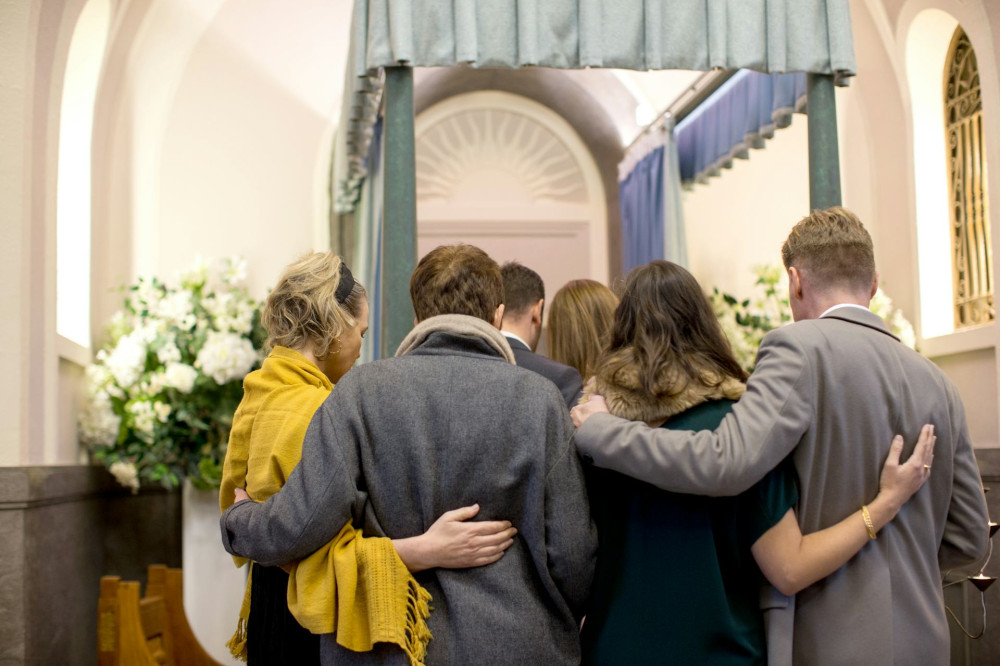
Find Peace in Nature – Movement as Support in the Grieving Process

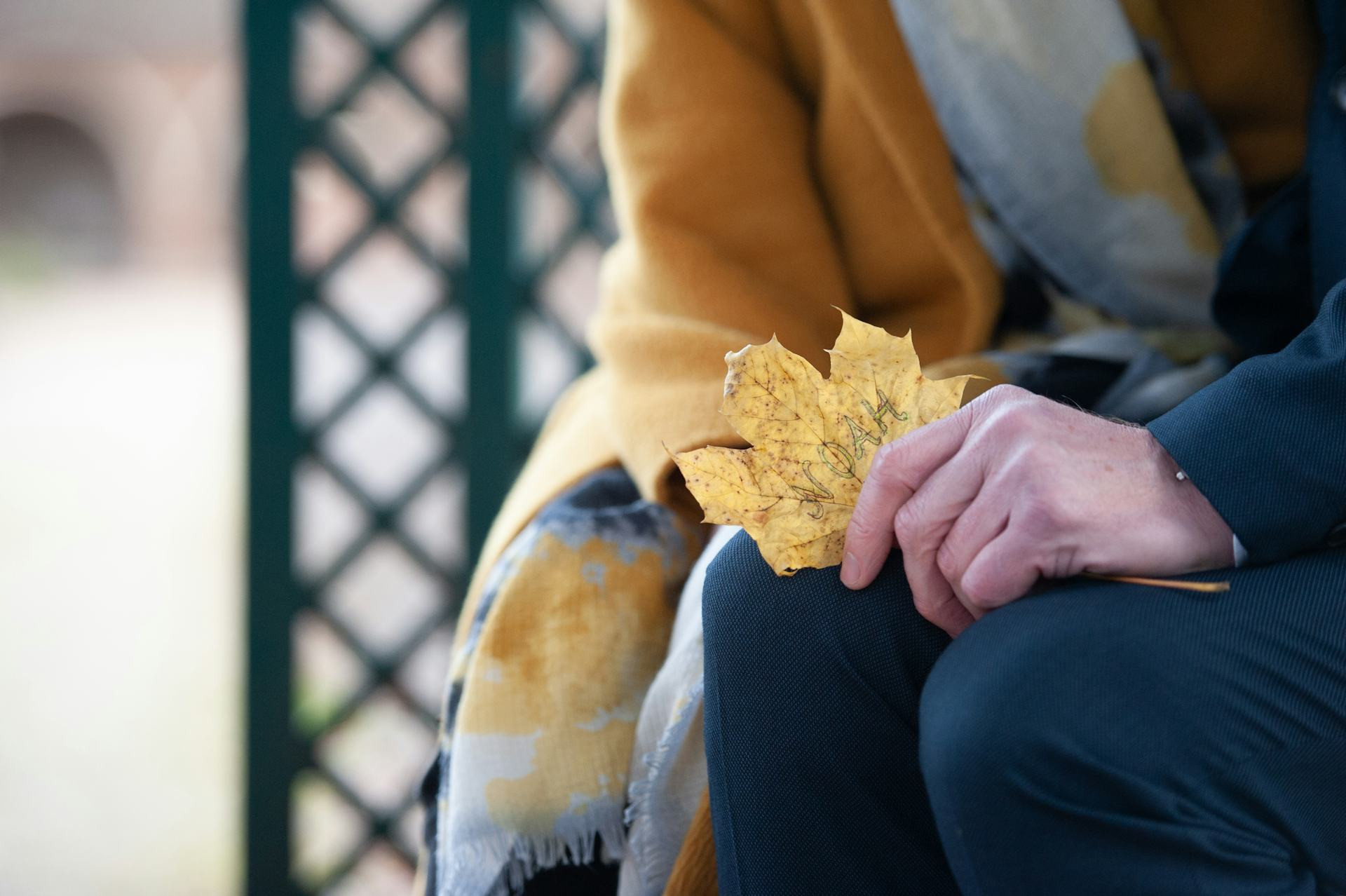
Discover how nature and gentle movement can bring calm and support during times of grief
Goodbye
Goodbye
3 min
When loss feels overwhelming, nature can offer a quiet space to breathe and heal. This article explores how walking, mindful movement, and simple rituals in nature can help you find balance and peace in the grieving process.
Journey Reed
Journey
Reed

Find Peace in Nature – Movement as Support in the Grieving Process

Discover how nature and gentle movement can bring calm and support during times of grief
Goodbye
Goodbye
3 min
When loss feels overwhelming, nature can offer a quiet space to breathe and heal. This article explores how walking, mindful movement, and simple rituals in nature can help you find balance and peace in the grieving process.
Journey Reed
Journey
Reed

When grief enters our lives, it can feel as though time stops. Thoughts circle endlessly, the body feels heavy, and daily routines lose their rhythm. In those moments, nature can offer a quiet refuge — a place to breathe again — and movement can become a gentle way to find calm amid the pain. Walking through a park, feeling the wind, listening to birds, or sitting beside a river can bring a moment of relief and create space to simply be with your grief, without being consumed by it.

Nature as a Healing Space

Many people find that nature has a unique ability to hold what feels too heavy to carry alone. It doesn’t judge or demand; it moves at its own pace — a pace that reminds us that life continues, even when we feel stuck. A walk through the woods, along a beach, or on a quiet trail can bring a sense of belonging to something larger, where thoughts and emotions can slowly settle.

Research in the United States has shown that spending time outdoors can lower stress levels, improve sleep, and support emotional balance. For those who are grieving, nature can become a sanctuary — a place to breathe deeply, reconnect with the body, and find moments of stillness.

Movement as Gentle Support

Grief often weighs on the body as much as the heart. Even small movements can make a difference. A short walk around the block, stretching in the backyard, or a slow bike ride can help release tension and bring a sense of life back into the body. Physical activity releases endorphins, offering brief relief — not because the grief disappears, but because the body is allowed to participate in the healing process.

This isn’t about performance or “moving on.” It’s about giving yourself permission to feel alive again, even in sorrow. Many people find comfort in repetition — walking the same path, noticing the changing seasons, and realizing that nature transforms, just as grief does over time.

Walking as a Companion

Talking about loss can be difficult, especially face-to-face. Walking side by side can make conversation easier. Words flow more naturally, silences feel comfortable, and the quiet between sentences becomes part of the dialogue. Many grief counselors and support groups in the U.S. now use “walk and talk” sessions outdoors, recognizing how movement and open space can create a safe, supportive environment.

Even when walking alone, the experience can feel like a conversation — with yourself, with the person you’ve lost, or with the world around you. The sounds, scents, and rhythm of your steps can bring a sense of connection that words sometimes cannot.

Creating Simple Rituals in Nature

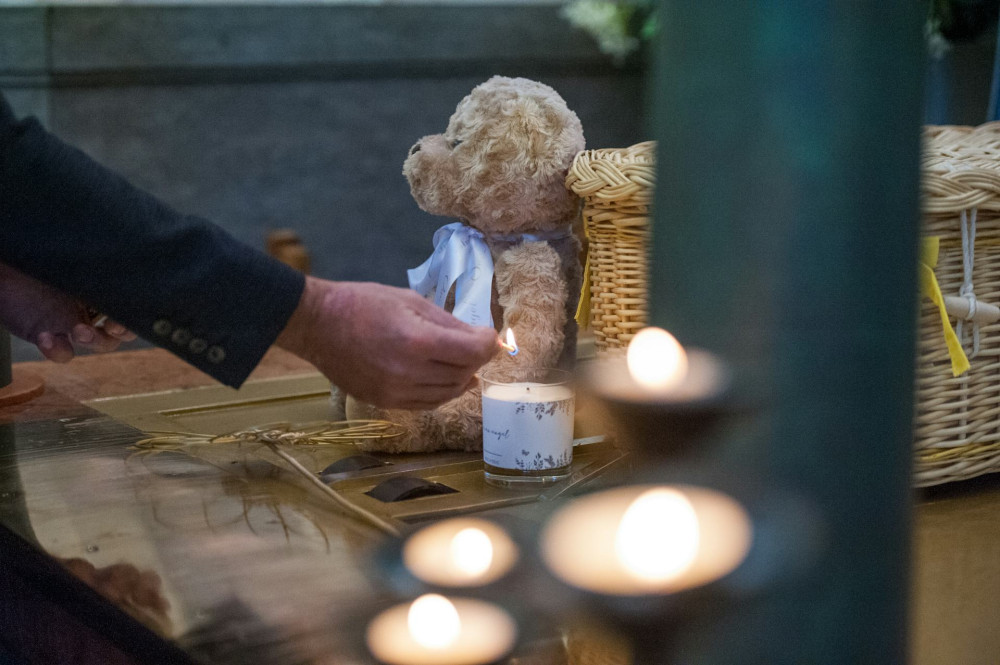
Rituals can bring meaning and structure to a time that feels chaotic. In nature, they can be simple and deeply personal: lighting a candle at a favorite spot, placing a stone in a stream, planting a tree, or sitting quietly at sunrise. These small acts can offer a sense of presence and continuity — a way to honor the one you’ve lost while also caring for yourself.

What matters most is that the ritual feels right for you. There are no rules, only what brings comfort and meaning in your own time.

Bringing Nature into Everyday Life

Finding support in nature doesn’t have to mean a grand adventure. It can be as simple as opening a window to listen to the rain, taking a short walk after dinner, or sitting on a park bench for a few minutes. Small moments of calm can, over time, become an important part of healing.

Nature reminds us that everything moves in cycles — darkness and light, stillness and motion, loss and renewal. Within that rhythm lies a quiet comfort: grief doesn’t vanish, but it can find its place when we allow ourselves to move — both in body and in life.

What to Do When a Loved One Dies: A Practical Guide to the First Steps
Guidance and comfort for navigating the first days after a loss
Goodbye
Goodbye
Grief Support
Bereavement
Funeral Planning
Loss
Practical Guide
6 min
When someone close to you passes away, the emotional weight can make even simple decisions feel impossible. This practical guide walks you through the first steps—what to do, who to contact, and how to care for yourself and others during this difficult time.
Isaiah Johnson
Isaiah
Johnson
How to Show Compassion at a Funeral
Offer comfort and understanding when words fall short
Goodbye
Goodbye
Compassion
Grief Support
Funeral Etiquette
Empathy
Relationships
6 min
Knowing how to act at a funeral can be challenging. This guide helps you show genuine compassion through presence, respect, and small gestures that bring comfort to those who are grieving.
Journey Reed
Journey
Reed
Small Routines, Big Support: Everyday Habits That Ease Grief
Gentle daily habits that bring comfort and stability when life feels uncertain
Goodbye
Goodbye
Grief
Healing
Mental Health
Self-Care
Emotional Wellbeing
6 min
After loss, even the smallest routines can help you find balance again. Discover how everyday actions — from morning rituals to shared moments — can offer quiet strength, structure, and hope as you navigate grief and healing.
Kayla Gonzalez
Kayla
Gonzalez
The Balance Between Sweet, Salty, and Sour – The Art of Tasting Your Way to Healthy Harmony
Discover how balancing sweet, salty, and sour flavors can enhance both your meals and your well-being
Habits
Habits
Mindful Eating
Nutrition
Healthy Lifestyle
Cooking Tips
Flavor Balance
5 min
Explore the art of taste and learn how mindful flavor balance can transform everyday eating into a healthier, more satisfying experience. From understanding the three key tastes to applying them in your kitchen, this article guides you toward harmony on your plate and in your life.
Harper Vasquez
Harper
Vasquez
Communities That Empower Self‑Care: Where Can You Find Them?
Discover how shared spaces and supportive groups can strengthen your self‑care journey
Habits
Habits
Self‑Care
Community
Wellness
Mental Health
Personal Growth
3 min
Self‑care doesn’t have to be a solo effort. From fitness groups and creative circles to online communities, find out how connecting with others can help you stay motivated, balanced, and inspired in your daily well‑being routine.
Journey Reed
Journey
Reed
Drive Greener: Simple Steps Toward More Sustainable Driving
Easy ways to cut emissions and save fuel every time you drive
Habits
Habits
Sustainable Driving
Eco-Friendly Cars
Green Living
Fuel Efficiency
Environment
3 min
Discover how small adjustments in your driving habits, vehicle care, and trip planning can make a big difference for the planet—and your wallet. Learn practical steps toward more sustainable driving without giving up the freedom of the road.
Isaiah Johnson
Isaiah
Johnson
Mindful Snacking – How to Choose Healthier Alternatives
Discover how mindful choices can turn everyday snacking into a healthy habit
Habits
Habits
Healthy Eating
Nutrition
Mindfulness
Wellness
Lifestyle
7 min
Learn how to satisfy your cravings without compromising your well-being. This guide to mindful snacking offers practical tips for choosing nutritious alternatives, understanding your cravings, and enjoying food with awareness.
Journey Reed
Journey
Reed
Create a Home That Promotes Peace of Mind
Transform your living space into a sanctuary of calm and clarity
Habits
Habits
Home Decor
Interior Design
Mindfulness
Well-Being
Minimalism
5 min
Discover how thoughtful design choices—like decluttering, natural light, soothing colors, and mindful routines—can turn your home into a place that restores balance and peace of mind. Learn simple ways to create an environment that supports relaxation and well-being every day.
Kayla Gonzalez
Kayla
Gonzalez