Small Routines, Big Support: Everyday Habits That Ease Grief


Small Routines, Big Support: Everyday Habits That Ease Grief
When you lose someone you love, everyday life can change in an instant. The things that once felt natural — your morning coffee, your commute, your conversations — can suddenly feel empty and unfamiliar. Grief can be overwhelming, but in the middle of that chaos, small routines and familiar actions can offer quiet support. They bring structure, calm, and a sense that life, slowly, can find a new rhythm.
Why Routines Help During Grief
Grief isn’t only emotional — it affects your body and mind, too. Many people experience exhaustion, sleeplessness, and difficulty concentrating. In such times, simple routines can act as anchors when everything else feels uncertain.
Keeping a regular wake-up time, eating at consistent hours, and moving your body each day send signals of stability to your system. These habits aren’t about “getting over it” quickly; they’re about creating small islands of steadiness in a storm.
Læs også:



Start with the Basics
When grief feels heavy, even small tasks can seem impossible. That’s why it helps to start small. Choose one or two routines you can maintain, and build from there.
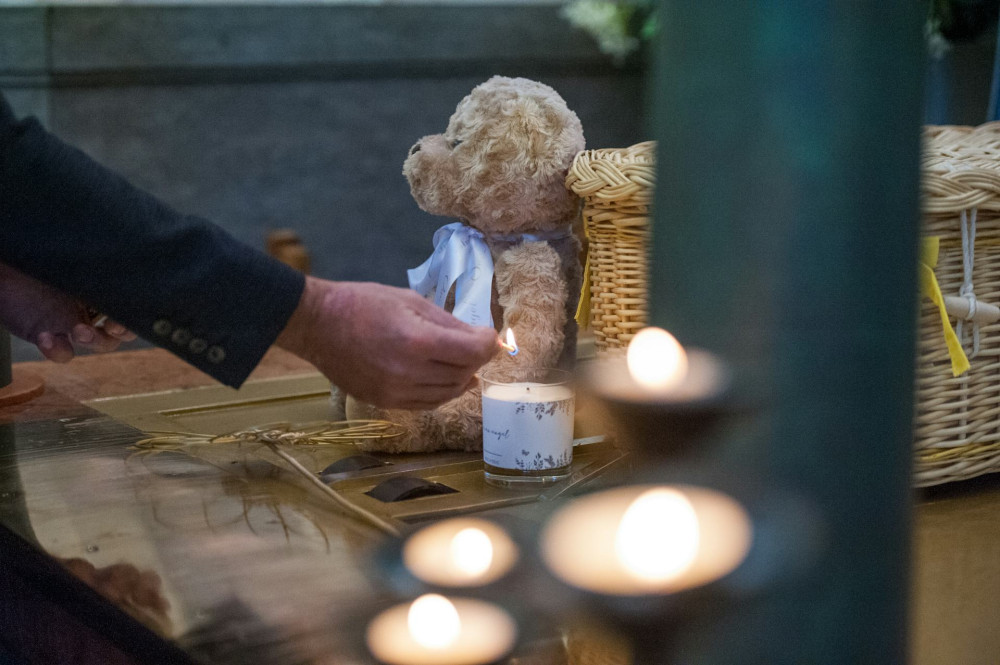
- Morning ritual – Brew a cup of coffee or tea, light a candle, or take a few deep breaths before the day begins. This can become a gentle way to mark the start of each day.
- Daily movement – A short walk around the block, a few stretches, or time in your garden can help release tension and give your mind a break.
- Meals – Try to eat something nourishing, even when your appetite is low. A bowl of soup, a sandwich, or some fruit — the key is regularity, not perfection.
- Sleep rhythm – Go to bed and wake up at roughly the same time each day. Rest is one of the most important tools for emotional healing.
These small actions may seem insignificant, but they form the foundation for regaining a sense of control and self-care.
Create Meaningful Rituals
Beyond practical routines, personal rituals can bring comfort and connection to the person you’ve lost. You might light a candle at a certain time, write a letter to your loved one, or visit a place that holds shared memories.
Rituals give shape to grief — they allow you to express loss in a way that feels meaningful. They can also help you honor memories without being trapped in them.
Make Room for Both Grief and Rest
Routines aren’t meant to suppress grief; they’re meant to hold space for it — and for moments of relief, too. It’s natural to have days when you can’t do much, and others when you feel a bit lighter. Both are part of the process.
Allow yourself to take small steps. Some days, simply taking a shower or stepping outside is an accomplishment. That’s not weakness — it’s a sign that you’re doing your best in a difficult time.
Find Support in Community
Even though grief can feel isolating, sharing it with others can make a real difference. You might find comfort in a support group, through conversations with friends or family, or by talking with a counselor. Speaking your pain aloud can ease the weight and remind you that you’re not alone.
Some people also find healing in helping others — volunteering, joining community projects, or simply being there for someone else. Acts of connection can bring a renewed sense of purpose and help you reengage with life.
When Everyday Life Slowly Returns
Over time, your routines will evolve. What began as a way to survive may become part of a new normal. The grief doesn’t disappear, but it becomes easier to carry when it has a place in your life.
Building small routines isn’t about forgetting — it’s about learning to live forward, with your memories as part of you. Each cup of coffee, each walk, each quiet moment can be a step toward peace in the midst of loss.
Læs også: