Gastronomy in Transition – From Tradition to a Personal Experience of Taste and Creativity

Gastronomy in Transition – From Tradition to a Personal Experience of Taste and Creativity
Gastronomy today is about much more than recipes and techniques. Food has become a language of identity, creativity, and connection. Where once the goal was to master classic dishes and preserve family traditions, modern food culture celebrates curiosity, experimentation, and personal expression. From home kitchens to Michelin-starred restaurants, gastronomy is evolving – and it’s changing the way Americans cook, eat, and experience flavor.
From Heritage to Innovation
For generations, American food traditions were passed down through handwritten recipes and family gatherings. Sunday dinners, backyard barbecues, and holiday feasts formed the backbone of culinary identity. These traditions still matter, but they now serve as a springboard for innovation. Chefs and home cooks alike are reimagining the familiar, blending nostalgia with new ideas.
Think of the revival of Southern cuisine, where chefs reinterpret classics like shrimp and grits or fried chicken with local, sustainable ingredients and modern techniques. Or the way Indigenous food traditions are being rediscovered and celebrated, connecting contemporary cooking with deep cultural roots. Tradition is no longer a boundary—it’s a source of inspiration.
Taste as a Personal Story
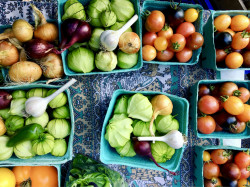
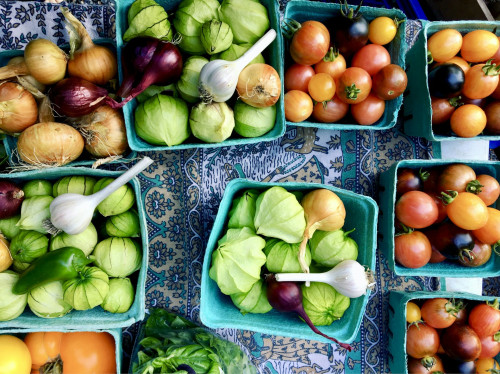
Food has become a way to tell one’s story. In an age of social media and global connectivity, what we eat often reflects who we are and what we value. Some find joy in simplicity—fresh produce from a local farmers’ market, a loaf of homemade sourdough—while others seek complexity through global fusion and bold experimentation.
Taste is deeply personal. It’s shaped by memory, culture, and curiosity. Whether it’s a family recipe adapted for a plant-based diet or a creative twist on a regional favorite, the modern approach to food invites individuality. Cooking and eating are no longer just daily routines—they’re acts of self-expression.
Creativity in the Kitchen
Creativity has become the heartbeat of contemporary gastronomy. American chefs are pushing boundaries, drawing inspiration from around the world while embracing local ingredients and sustainable practices. Home cooks, too, are experimenting with fermentation, zero-waste cooking, and cross-cultural flavor combinations.
Fusion is no longer a trend—it’s a mindset. Korean tacos, Cajun ramen, and vegan barbecue are just a few examples of how culinary creativity thrives when borders blur. The kitchen has become a playground for the senses, where intuition and imagination matter as much as skill.
Sustainability and Conscious Eating
Modern gastronomy is also defined by awareness and responsibility. Diners and chefs alike are asking important questions: Where does our food come from? How is it produced? What impact does it have on the planet?
Across the U.S., restaurants are partnering with local farmers, reducing food waste, and embracing “root-to-stem” and “nose-to-tail” cooking. In home kitchens, more people are planning meals around seasonal produce, composting scraps, and finding creative ways to use leftovers. This mindful approach to food doesn’t just taste better—it feels better, too. It transforms eating into an act of care for both people and the planet.
Læs også:
The Experience at the Center
Today, gastronomy is as much about the experience as it is about the food itself. The atmosphere, the story behind a dish, and the shared moment around the table all shape how we perceive flavor. A meal can transport us—to childhood memories, distant places, or new emotions.
Restaurants are increasingly embracing storytelling, turning each dish into a narrative. A plate of food becomes a conversation between chef and guest, between past and present. Dining is no longer just consumption—it’s participation in a story.
The Future of Gastronomy – Where Craft Meets Emotion
The future of gastronomy lies at the intersection of craftsmanship, technology, and emotion. Americans will continue to seek authenticity and quality, but also new ways to create and share food experiences. From immersive dining events to AI-assisted recipe development, the possibilities are expanding. Yet at its core, gastronomy will remain deeply human—a celebration of creativity, connection, and the joy of taste.
Because in the end, food is never just about eating. It’s about experiencing, creating, and sharing—and finding meaning in the flavors that bring us together.
Læs også: