Eat Sustainably – Even When You’re Busy

Eat Sustainably – Even When You’re Busy
Eating sustainably isn’t just about buying organic or cutting down on food waste – it’s about finding practical ways to make eco-friendly choices fit into your busy life. Many people think sustainable eating requires extra time, planning, and effort, but it doesn’t have to. With a few simple habits and smart shortcuts, you can eat greener, healthier, and more responsibly – even when your schedule is packed.
Keep Planning Simple
One of the biggest challenges in a hectic week is avoiding last-minute takeout or impulse grocery runs. A little planning can go a long way. You don’t need a detailed meal plan for every day – just three or four flexible meals you can mix and match with leftovers or quick fixes.
- Create a pantry list of staples you always keep on hand: brown rice, beans, frozen veggies, eggs, and spices.
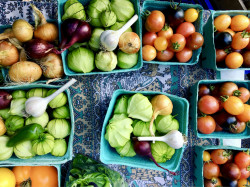
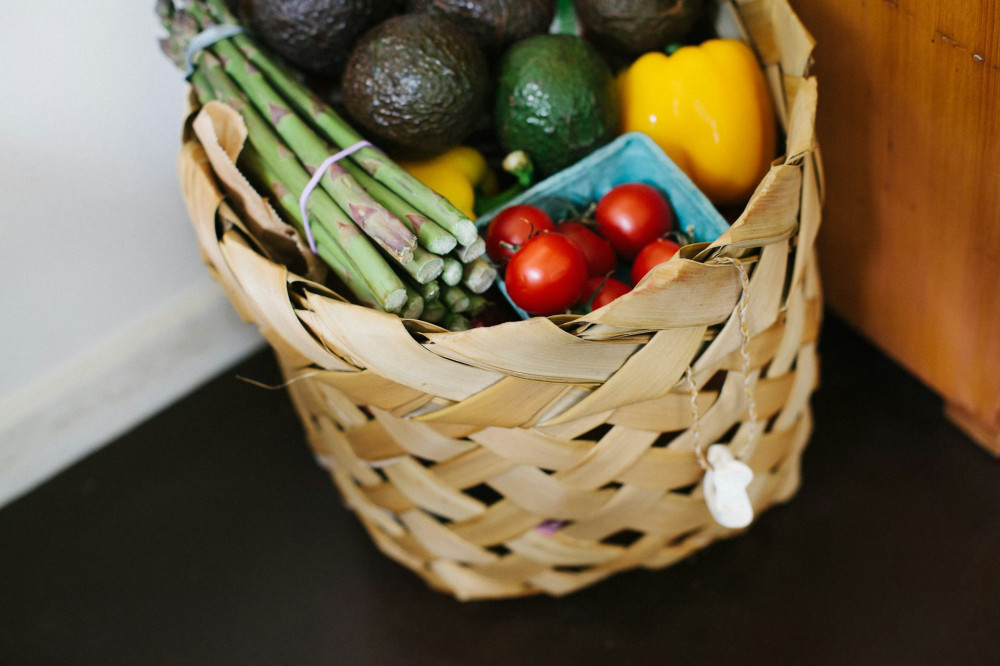
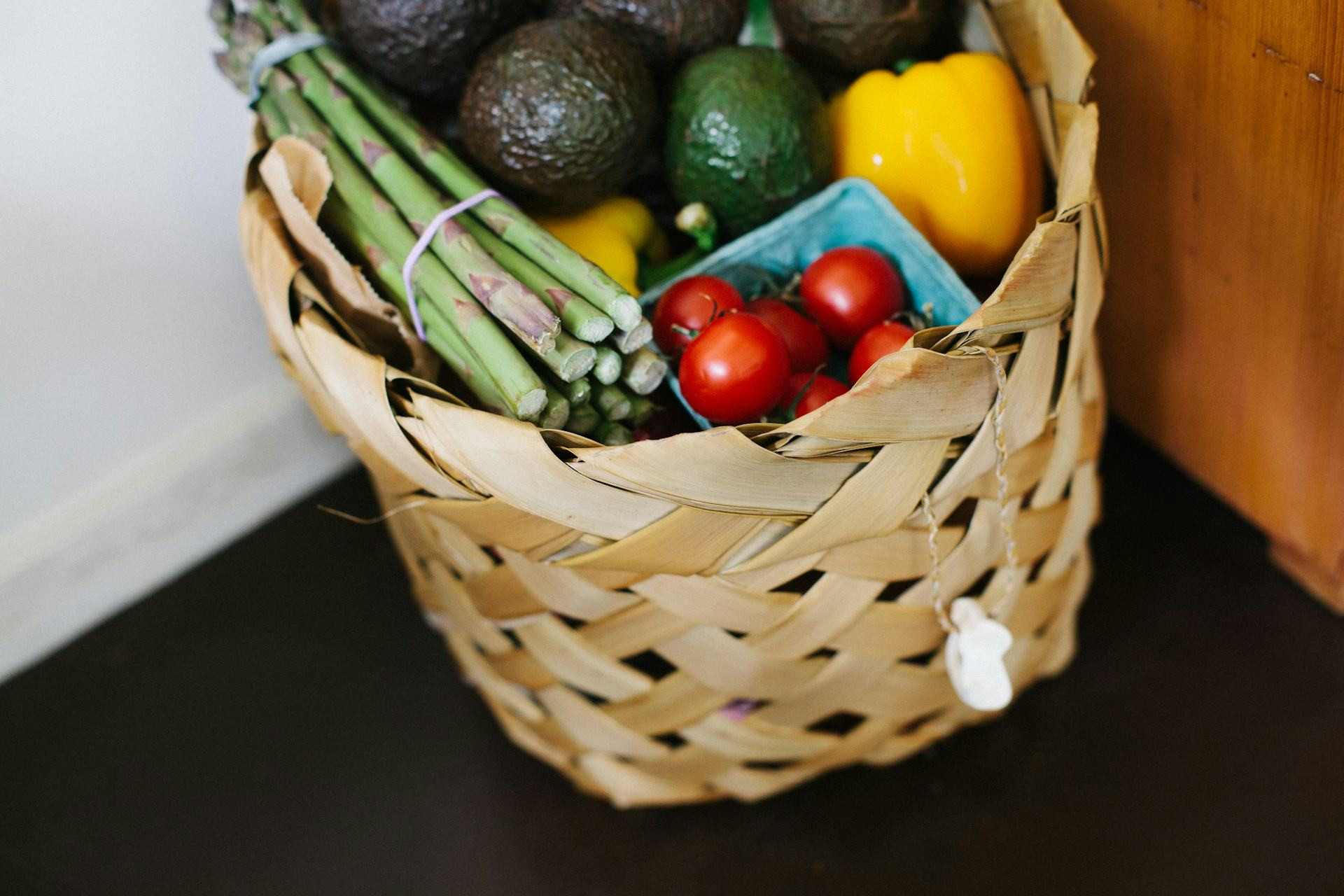
- Buy seasonal produce – it’s fresher, more affordable, and has a smaller carbon footprint.
- Cook double portions so you have leftovers for lunch or a quick dinner later in the week.
Planning ahead saves time, money, and food waste – and it makes sustainable choices easier because you’ve already made the decisions before hunger hits.
Læs også:

Quick, Plant-Forward Meals
Sustainable eating doesn’t mean spending hours in the kitchen. Many plant-based meals can be ready in under 30 minutes. Try:
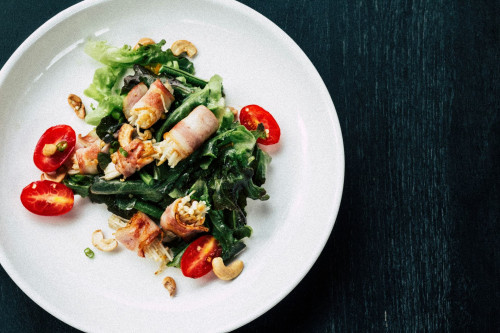
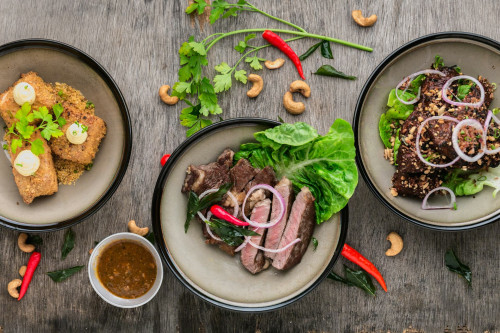
- Veggie stir-fry with tofu or tempeh – use whatever vegetables you have and toss them in a quick soy-ginger sauce.
- Chickpea curry with coconut milk and spinach – hearty, flavorful, and made in one pot.
- Sheet-pan roasted vegetables with eggs or cheese – minimal prep, and the oven does the work.
The key is to make vegetables the star of your plate instead of a side dish. Even small changes – like skipping meat a few days a week – can make a big difference for the planet.
Make the Freezer Your Ally
Your freezer is one of the best tools for eating sustainably. It helps you save leftovers, reduce waste, and have quick meals ready when you’re short on time.
- Freeze leftovers in single portions for easy “homemade TV dinners.”
- Freeze bread, fruit, and veggies before they go bad.
- Batch-cook basics like tomato sauce, lentil stew, or soup – they can become the base for many meals.
Using your freezer wisely means less food waste and more convenience when life gets busy.
Shop with Intention
Small choices at the grocery store can have a big impact. Look for foods with a lower environmental footprint and choose local products when possible. Organic is great, but the most important thing is to buy thoughtfully.
- Avoid overpackaged items, and bring reusable bags or containers.
- Check the “use by” section for items you can cook soon – it helps reduce waste.
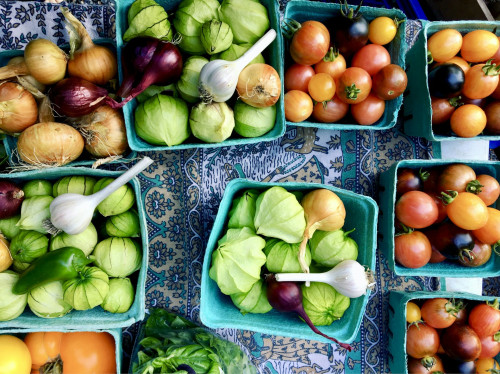
- Support local farmers through farmers’ markets or community-supported agriculture (CSA) programs.
When you shop mindfully, you send a message that sustainability matters – even in everyday decisions.
Make Green Choices Easy
It’s easier to eat sustainably when the healthy, eco-friendly option is also the convenient one. Prep vegetables when you have time so they’re ready to use. Chop carrots, peppers, or kale in advance and store them in airtight containers in the fridge. That way, it’s quick to throw together a salad, wrap, or stir-fry.
Keep sustainable snacks on hand too – nuts, fruit, or veggie sticks – so you’re less tempted by less eco-friendly options when hunger strikes.
Small Steps Add Up
Eating sustainably isn’t about being perfect; it’s about progress. Maybe you start by cutting back on meat, using up leftovers, or planning your grocery trips better. Every small change counts – for the planet, your wallet, and your well-being.
When you find habits that fit your lifestyle, sustainability stops feeling like a chore and becomes a natural part of your everyday routine.
Læs også: