Food as a Bridge: When Flavor Brings Cultures Together

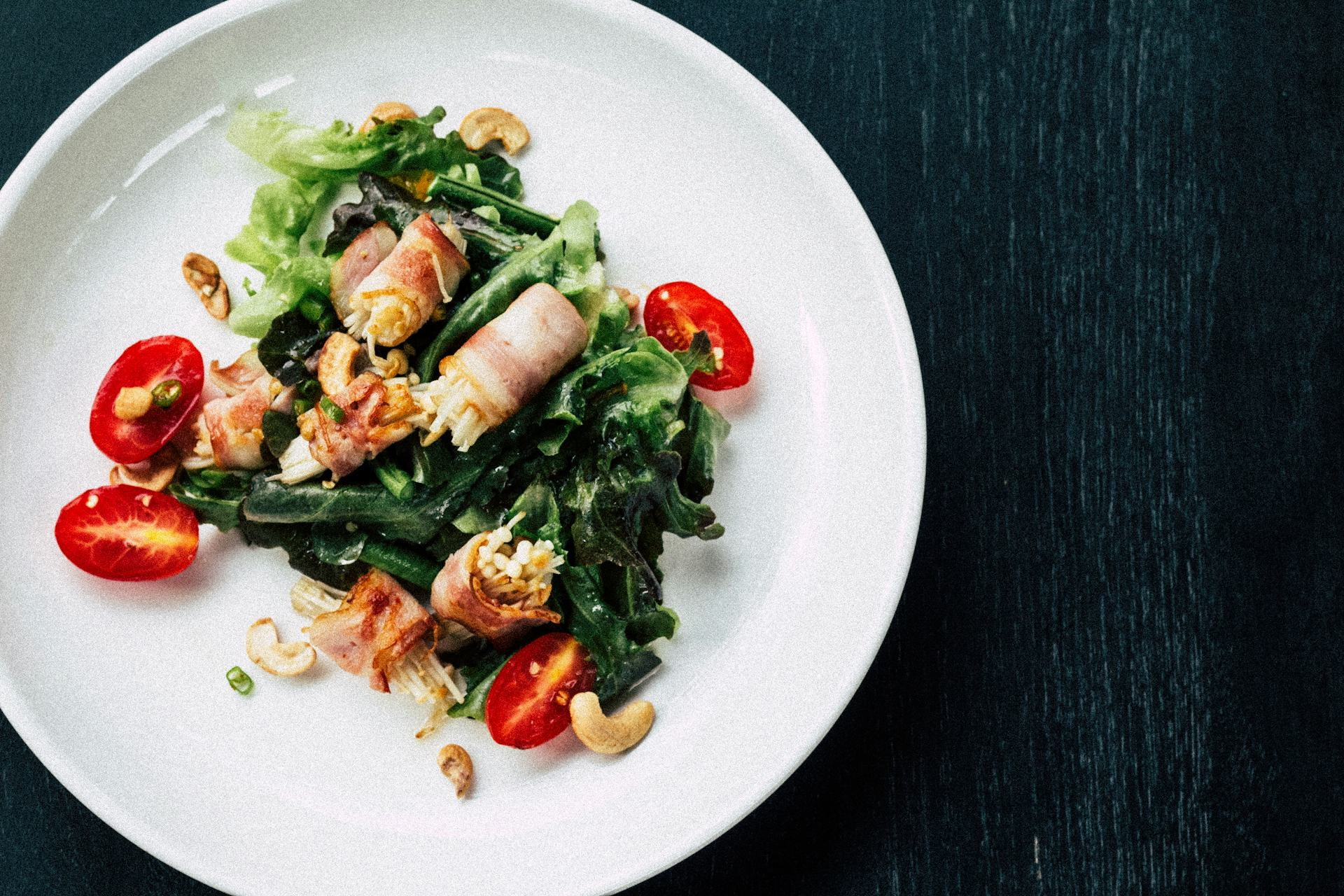
Food as a Bridge: When Flavor Brings Cultures Together
Food is more than sustenance—it’s a universal language. Across continents and generations, a shared meal can connect people who might otherwise have little in common. In a world where globalization both unites and divides, food stands out as a gentle yet powerful bridge between cultures. It invites curiosity, fosters empathy, and reminds us that our differences can be delicious.
When Taste Tells a Story
Every dish carries a story. It speaks of geography, climate, migration, and memory. A bowl of gumbo in Louisiana tells of African, French, and Native American influences simmered together over centuries. A plate of tacos al pastor in Los Angeles reflects the meeting of Mexican and Middle Eastern traditions. When we taste food from another culture, we experience history through our senses rather than through words.
Sharing these stories around a table transforms them into living connections. A meal can open doors that conversation alone cannot. Through flavor, we learn not only about others but also about ourselves—our habits, our assumptions, and our capacity for openness.
Fusion on the Plate
In recent decades, fusion cuisine has become a hallmark of American dining. From Korean barbecue tacos to sushi burritos, chefs and home cooks alike are blending techniques and ingredients from around the world. This creativity reflects the diversity of the United States itself—a country built on migration and exchange.
Fusion cooking celebrates curiosity and innovation, but it also raises questions about authenticity and respect. When does inspiration become appropriation? The answer often lies in intention: honoring the culture that inspires a dish rather than using it as a novelty. True fusion is not about erasing origins but about creating dialogue through flavor.
Community Tables and Shared Kitchens
Across the U.S., food-centered initiatives are helping communities connect. Community gardens, pop-up dinners, and cultural food festivals bring together neighbors who might never otherwise meet. In cities like Chicago, Houston, and Portland, programs invite immigrants and refugees to cook alongside locals, sharing recipes and stories while building new friendships.
In these kitchens, hierarchy fades. Everyone contributes something—an ingredient, a memory, a technique. The act of cooking together turns difference into strength. Food becomes a neutral space where understanding can grow naturally, one conversation and one bite at a time.
The Global Pantry at Home
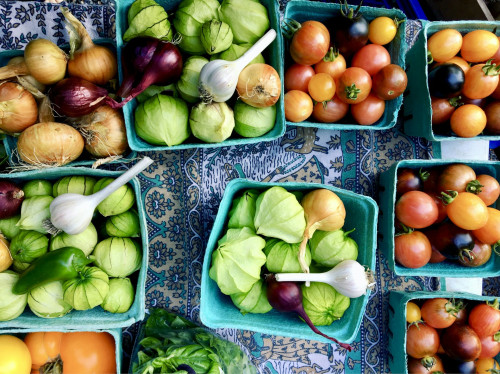
Globalization has transformed the American pantry. Ingredients once considered exotic—like gochujang, tahini, or za’atar—now sit beside ketchup and peanut butter on grocery shelves. Online tutorials and social media make it easy to explore cuisines from every corner of the world. Home kitchens have become small laboratories of cultural exchange.
When we experiment with new flavors, we participate in a quiet form of diplomacy. We learn to appreciate the care and creativity behind another culture’s food traditions. Each new recipe we try is a small act of connection—a reminder that the world is both vast and shared.
Læs også:
Culinary Diplomacy on the World Stage
Even at the highest levels of politics, food plays a symbolic role. “Gastro-diplomacy” describes how nations use cuisine to promote understanding and goodwill. The U.S. has long practiced this, from state dinners that highlight regional specialties to cultural exchange programs featuring American chefs abroad. A thoughtfully chosen menu can express respect, hospitality, and identity all at once.
When leaders break bread together, they do more than eat—they communicate. A meal can soften tensions, celebrate partnership, and express values that transcend language.
A Common Table
In a time marked by division, it may seem idealistic to believe that food can bring people together. Yet every shared meal proves that it can. When we sit down to eat, we share more than flavors—we share time, attention, and humanity.
Food as a bridge is ultimately about recognizing the common ground beneath our differences. Whether we eat with chopsticks, forks, or our hands, we all seek the same thing: nourishment, connection, and the simple joy of being together.
Læs også: