Personal Style in the Details: Buttons, Stitching, and Cuts That Make the Difference


Personal Style in the Details: Buttons, Stitching, and Cuts That Make the Difference
When we talk about personal style, it’s rarely just about colors, patterns, or brands. More often, it’s the small details—the buttons, the stitching, and the cut—that define whether a piece of clothing feels intentional and personal. These subtle touches can elevate a simple outfit into something distinctive and tell a story about who you are. Let’s take a closer look at how these details can help you shape your own signature style.
Buttons – Small but Significant
Buttons might be the most overlooked detail in your wardrobe. They serve a practical purpose, but they can also be a powerful style statement. A crisp white shirt with mother-of-pearl buttons sends a different message than one with matte horn or colorful resin buttons.
If you want to personalize your clothing, consider swapping out standard buttons on a blazer or coat. Small changes can make a big impact—brass buttons can give a nautical or vintage feel, while dark wooden ones add warmth and a handcrafted touch.
Even on jeans or trousers, buttons help define the look. A copper rivet button evokes classic American denim heritage, while a sleek black matte button feels modern and minimalist.
Stitching – The Signature of Craftsmanship
Stitching often reveals the quality of a garment. Even, tight stitches speak of precision and care, while a more visible or textured stitch can create a relaxed, artisanal vibe.
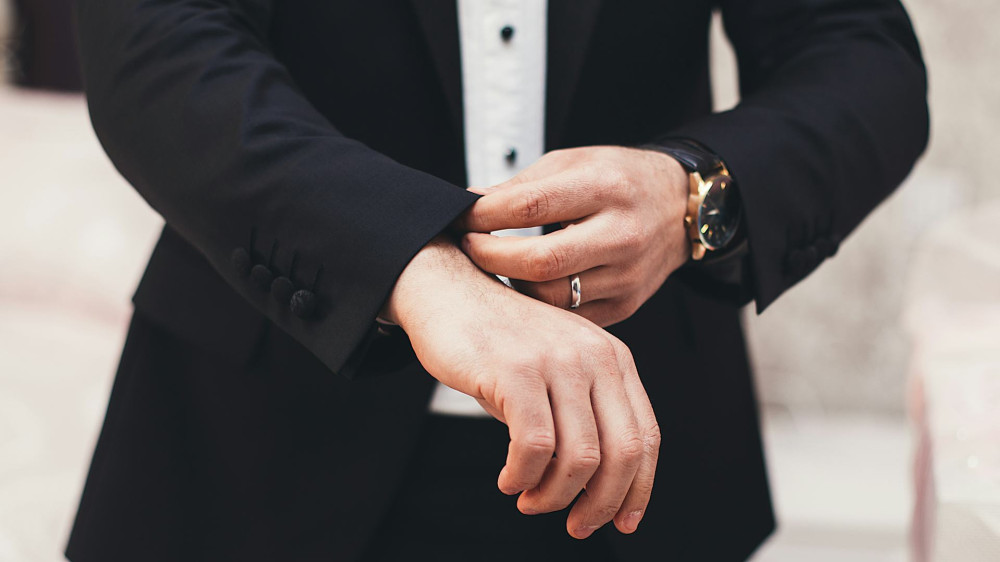
On shirts and blazers, double stitching is a mark of durability, while hidden seams create a clean, refined appearance. Contrast stitching can serve as a subtle accent—think navy thread on a light gray jacket or a red stitch on a black shirt.
If you sew your own clothes or have them tailored, stitching becomes a creative tool. A colored thread, a unique seam type, or a hand-finished detail can make a garment truly yours—without being flashy.
The Cut – The Shape That Defines the Whole
The cut determines how clothing fits and moves with your body—and this is where personal style truly comes to life. A great cut isn’t just about fashion; it’s about proportion, comfort, and confidence.
A tailored suit conveys timeless sophistication, while a looser, more relaxed silhouette suggests creativity and ease. The same applies to dresses, shirts, and pants: small differences in length, taper, or drape can completely change the impression.
When trying on clothes, pay attention to how they move with you. A well-cut piece feels natural, almost as if it were made for you. That’s often the difference between mass production and true craftsmanship.
The Combination of Details – Your Personal Signature
It’s the interplay between buttons, stitching, and cut that creates harmony. A jacket with a classic cut but modern buttons can balance tradition and contemporary flair. A shirt with subtle contrast stitching can add individuality without being over the top.
As you build your wardrobe, think about which details speak to you most. Do you prefer clean, minimalist lines, or do you gravitate toward small, handcrafted touches? It’s in these details that your personal style becomes visible—and they’re what make your clothes feel uniquely yours.
Quality You Can Feel
Choosing clothing thoughtfully isn’t just about aesthetics; it’s also about longevity. Quality materials, solid stitching, and well-chosen details mean your clothes will last longer—both physically and stylistically.
When you invest in quality, you invest in pieces that age gracefully. A jacket with patinated buttons or a shirt whose seams remain perfect after many washes tells the story of clothing made to be worn—and loved—for years.
Læs også:



The Details That Make the Difference
Personal style isn’t about chasing trends; it’s about understanding what suits you and what you value. Buttons, stitching, and cuts may seem like small elements, but they’re the key to creating a look that feels authentic.
Next time you pick up a piece of clothing, take a closer look at the details. They reveal more than you might think—and they might just be what turns something ordinary into something unforgettable.
Læs også: