Dress Codes Explained – How to Understand and Follow Formal Rules in Practice

Dress Codes Explained – How to Understand and Follow Formal Rules in Practice
Dress codes can feel like a mystery—especially when an invitation arrives with words like “cocktail,” “black tie,” or “business casual.” But behind these terms are clear guidelines that help you dress appropriately for the occasion. Here’s a practical guide to understanding and following the most common dress codes in the U.S.—without losing your personal style.
Why Dress Codes Exist
Dress codes aren’t just about clothes; they’re about respect—for the event, the host, and the setting. They create a shared standard so everyone feels comfortable and appropriately dressed. A dress code isn’t a restriction—it’s a tool to help you strike the right tone, whether you’re attending a relaxed backyard party or a formal gala.
Knowing the difference between levels of formality makes it easier to navigate both social and professional situations with confidence.
The Most Common Dress Codes Explained
Casual
The most relaxed category. Think neat but informal. Jeans, chinos, T-shirts, polos, and sneakers are all fine—as long as they’re clean, well-fitting, and in good condition. For women, casual can mean anything from jeans and a blouse to a simple dress. Tip: Avoid gym wear or overly distressed jeans—casual still means presentable.
Smart Casual
A step up from casual. It blends comfort with polish. For men, that might mean chinos or dark jeans with a button-down shirt and optional blazer. For women, a nice dress, skirt and blouse, or tailored pants with a stylish top works well. Tip: Think “elevated everyday”—you should look ready for dinner after work without needing to change.
Business Casual
Common in many American workplaces, this dress code is more professional than smart casual but still comfortable. Men can wear dress pants or chinos with a collared shirt and optional blazer, no tie required. Women can choose a dress, skirt and blouse, or tailored pants with a blazer. Tip: Stick to neutral or muted colors and avoid loud patterns—professionalism is key.
Business Formal
This is the classic office look for important meetings, conferences, or presentations. Men wear a suit and tie; women wear a pantsuit, skirt suit, or conservative dress with a blazer. Tip: Navy, charcoal, and black are safe choices. Shoes should be closed-toe, polished, and in good condition.
Cocktail
A popular dress code for weddings, holiday parties, and evening events. It calls for something elegant but not overly formal. Men wear a dark suit and dress shirt—ties are optional but recommended. Women typically wear a knee-length or midi cocktail dress or a chic two-piece outfit. Tip: Skip floor-length gowns—those belong under “black tie.”
Black Tie
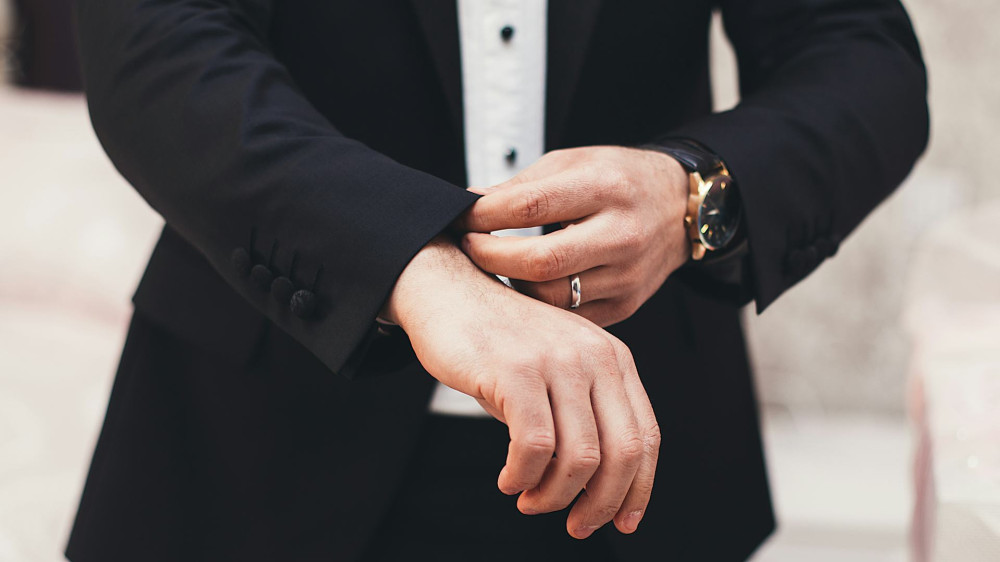
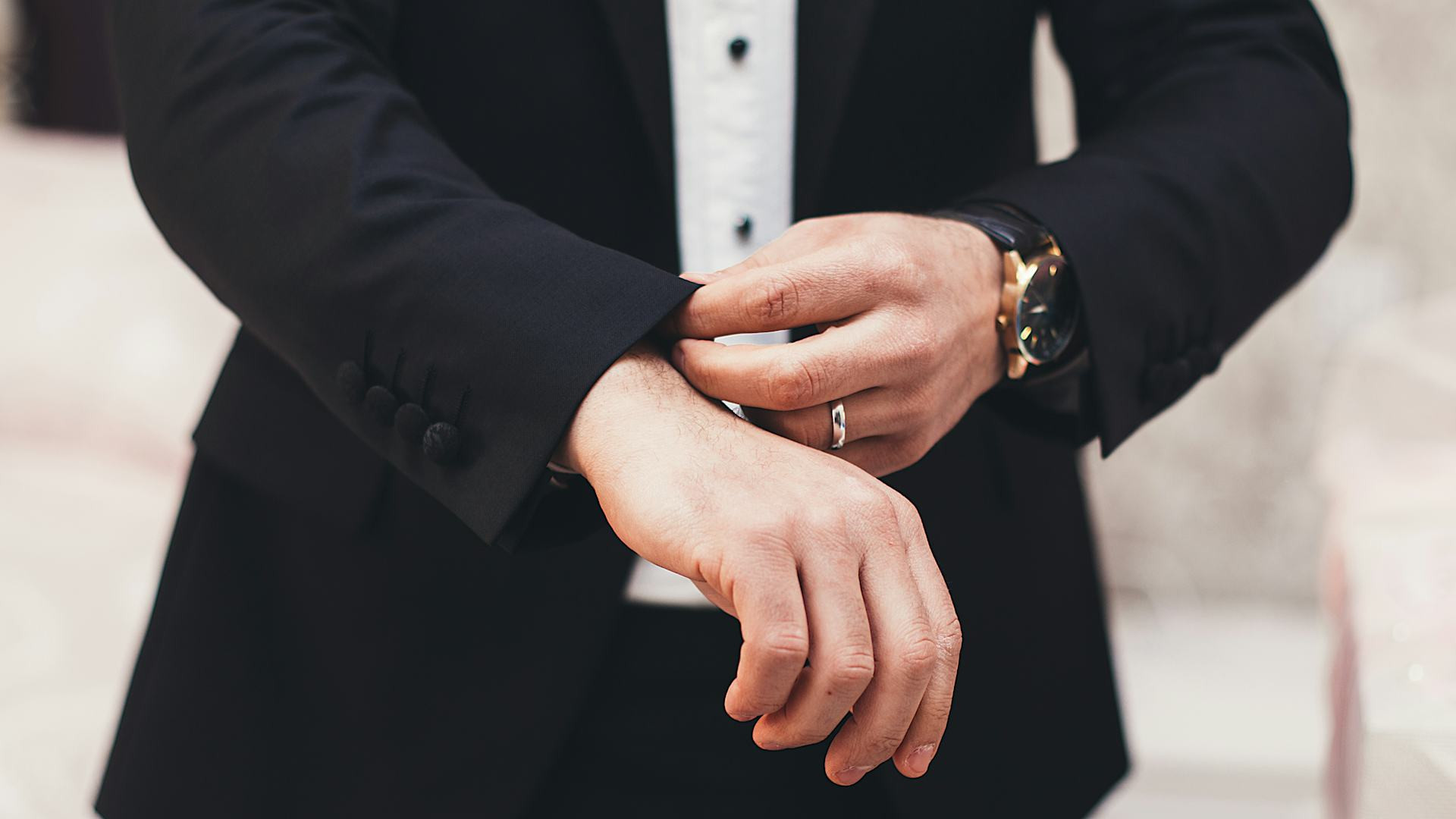
The classic formal evening style. Men wear a tuxedo with a black bow tie, white dress shirt, and black dress shoes. Women wear a long evening gown or an elegant cocktail dress. Tip: Accessories and makeup can be more glamorous—this is the time to make an impression.
White Tie
The most formal dress code, rarely seen today except at state dinners or very traditional events. Men wear a black tailcoat with a white vest and bow tie; women wear a full-length ball gown, often with gloves. Tip: There’s no room for interpretation here—tradition rules.
Læs også:




How to Adapt the Dress Code to Your Style
Even within formal guidelines, there’s room for personality. Play with color, texture, and accessories as long as you stay within the expected level of formality. A patterned tie, a statement necklace, or a bold pair of shoes can add character without breaking the rules.
When in doubt, it’s better to be slightly overdressed than underdressed—it shows respect for the host and the occasion.
Small Details That Make a Big Difference
- Shoes: Always clean and well-maintained, no matter the dress code.
- Fit: Well-fitted clothes look more polished than expensive ones that don’t fit.
- Accessories: Keep them simple. A watch, belt, or subtle jewelry is often enough.
- Care: Make sure your clothes are pressed and lint-free—it shows attention to detail.
When No Dress Code Is Mentioned
If the invitation doesn’t specify a dress code, consider the type, time, and location of the event. Evening events tend to be more formal than daytime ones, and a country club dinner calls for something different than a backyard barbecue. If you’re unsure, ask the host—it’s better than showing up in something that feels out of place.
Dress Codes as a Social Language
Understanding dress codes is ultimately about reading social cues. It’s a way to show respect, understand context, and feel confident in how you present yourself. Once you know the rules, you can also decide when—and how—to bend them with intention and style.
Læs også: