Safe Adventures: How to Take Care of Yourself and Your Travel Companions in the Great Outdoors

Safe Adventures: How to Take Care of Yourself and Your Travel Companions in the Great Outdoors
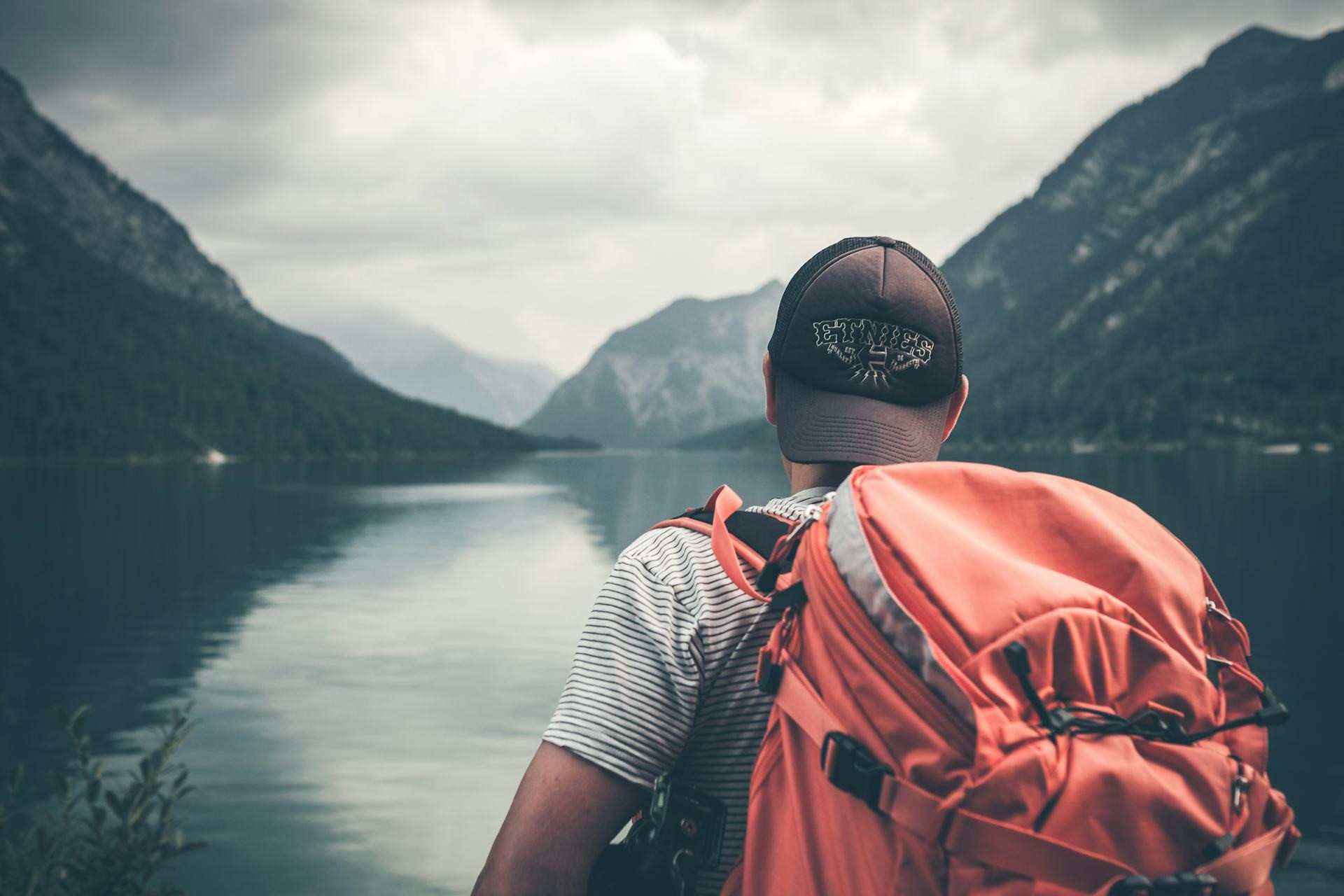
Heading into the great outdoors is one of the best ways to recharge and reconnect—with nature, with friends, and with yourself. Whether you’re hiking in the Rockies, kayaking through calm lakes, biking along forest trails, or camping under the stars, outdoor adventures offer freedom and peace. But nature also demands respect and preparation. Here’s how to keep yourself and your travel companions safe, so your adventure becomes a story worth remembering.
Preparation Is the Foundation of Safety
A successful trip starts long before you hit the trail. Good planning prevents most accidents and ensures everyone enjoys the experience.
- Plan a realistic route – Consider terrain, weather, and the experience level of your group.
- Share your itinerary – Let a friend or family member know where you’re going and when you expect to return.
- Check your gear early – Make sure your first-aid kit, flashlight, maps, and phones are in working order.
In remote areas, cell service can be unreliable. Download offline maps, carry a power bank, and know how to use a compass. If you’re venturing into national parks or wilderness areas, check local regulations and alerts before you go.
Know Your Limits—and Respect Nature’s
It’s easy to push yourself when surrounded by breathtaking views, but fatigue, dehydration, or cold can quickly lead to mistakes. Listen to your body and take breaks before exhaustion sets in.
Respecting nature is just as important. Stay on marked trails, avoid disturbing wildlife, and leave no trace. These habits protect the environment—and keep you safer by preventing you from getting lost or entering dangerous terrain.
Gear That Makes a Difference
You don’t need the latest high-tech equipment, but you should be able to rely on what you bring. The right gear can turn a potential emergency into a manageable situation.
- First-aid kit – Include bandages, antiseptic wipes, pain relievers, and any personal medications.
- Water and snacks – Always pack more than you think you’ll need.
- Layered clothing – Weather can change fast; dress in layers to stay comfortable.
- Navigation tools – A map and compass are essential backups to GPS.
- Emergency whistle and headlamp – Small items that can make a big difference if you need help.
If you’re traveling with kids or beginners, review the gear together so everyone knows where things are and how to use them.
Teamwork and Communication
When you’re exploring with others, clear communication keeps everyone safe. Decide who leads, who navigates, and what to do if someone gets separated. Simple plans prevent confusion and panic if something goes wrong.
Keep an eye on each other, especially if the weather changes or someone seems tired. Often, small signs—like silence, stumbling, or irritability—mean someone needs a break. A strong group looks out for one another, not just for fun but for safety.
When Things Don’t Go as Planned
Even with careful preparation, accidents can happen. The key is to stay calm and think clearly.
- For minor injuries – Clean the wound, apply a bandage, and monitor for infection.
- For serious injuries – Call 911 if you have service, and provide clear details about your location and the person’s condition.
- If you get lost – Stop moving unless you’re certain of the direction. Staying put makes it easier for rescuers to find you.
A helpful rule to remember is: Stop – Think – Observe – Plan. It keeps you focused and rational when stress levels rise.
Læs også:


Safety Creates Freedom
Adventure isn’t about avoiding risk—it’s about managing it wisely. When you’re prepared, you can relax and fully enjoy the moment. Confidence in your skills and equipment gives you the freedom to explore, knowing you can handle the unexpected.
So next time you pack your backpack, remember: safety isn’t the opposite of adventure—it’s what makes adventure possible.
Læs også: