Outdoor Packing Made Easy – Lightweight Gear for Big Adventures in Nature

Outdoor Packing Made Easy – Lightweight Gear for Big Adventures in Nature
Heading out into the wild doesn’t have to mean lugging around a heavy backpack or overstuffed gear. In fact, the lighter and smarter you pack, the more enjoyable and freeing your adventure becomes. Whether you’re planning a weekend hike, a bikepacking trip, or a day exploring your local state park, the key is finding the balance between what’s essential and what’s extra. Here’s your guide to packing light, staying comfortable, and focusing on what really matters – the experience itself.
Think Function, Not Quantity
The first step toward lightweight packing is changing your mindset. Instead of asking, “What might I need?” ask, “What do I truly need?” Many people overpack because they want to be ready for every possible scenario. But nature rewards simplicity.
Start by listing the absolute essentials: clothing, food, water, shelter, and safety gear. Then go through your list again and remove anything that doesn’t serve a clear purpose. A good rule of thumb is that every item should ideally have more than one use – for example, a bandana that can double as sun protection, a towel, or even a first-aid wrap.
Choose the Right Gear
Lightweight gear isn’t just for hardcore backpackers anymore. Today, there are plenty of affordable, durable options that make it easy to travel light without sacrificing comfort.
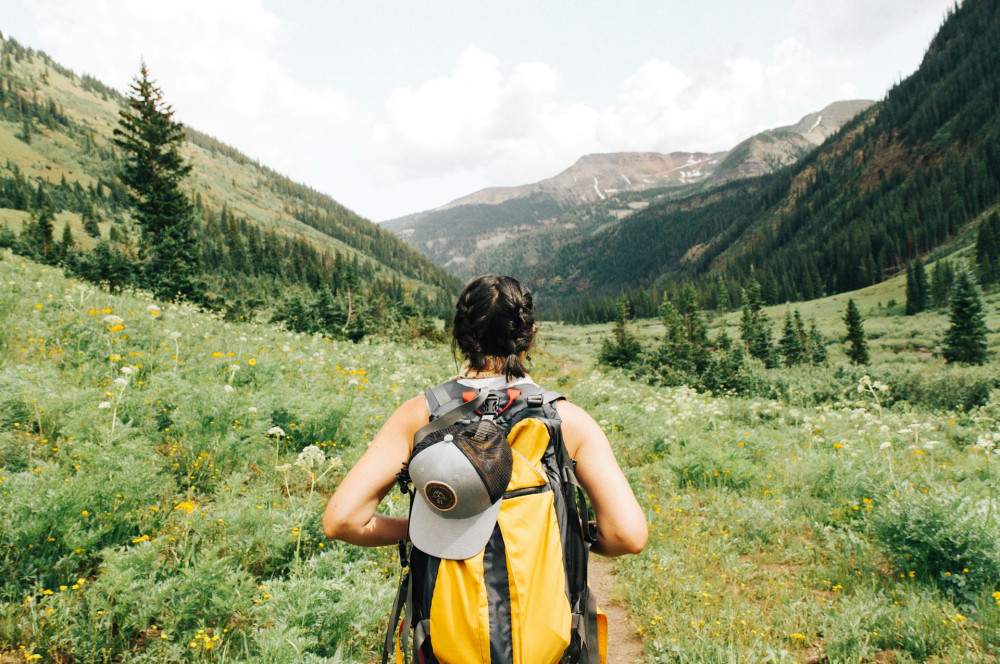
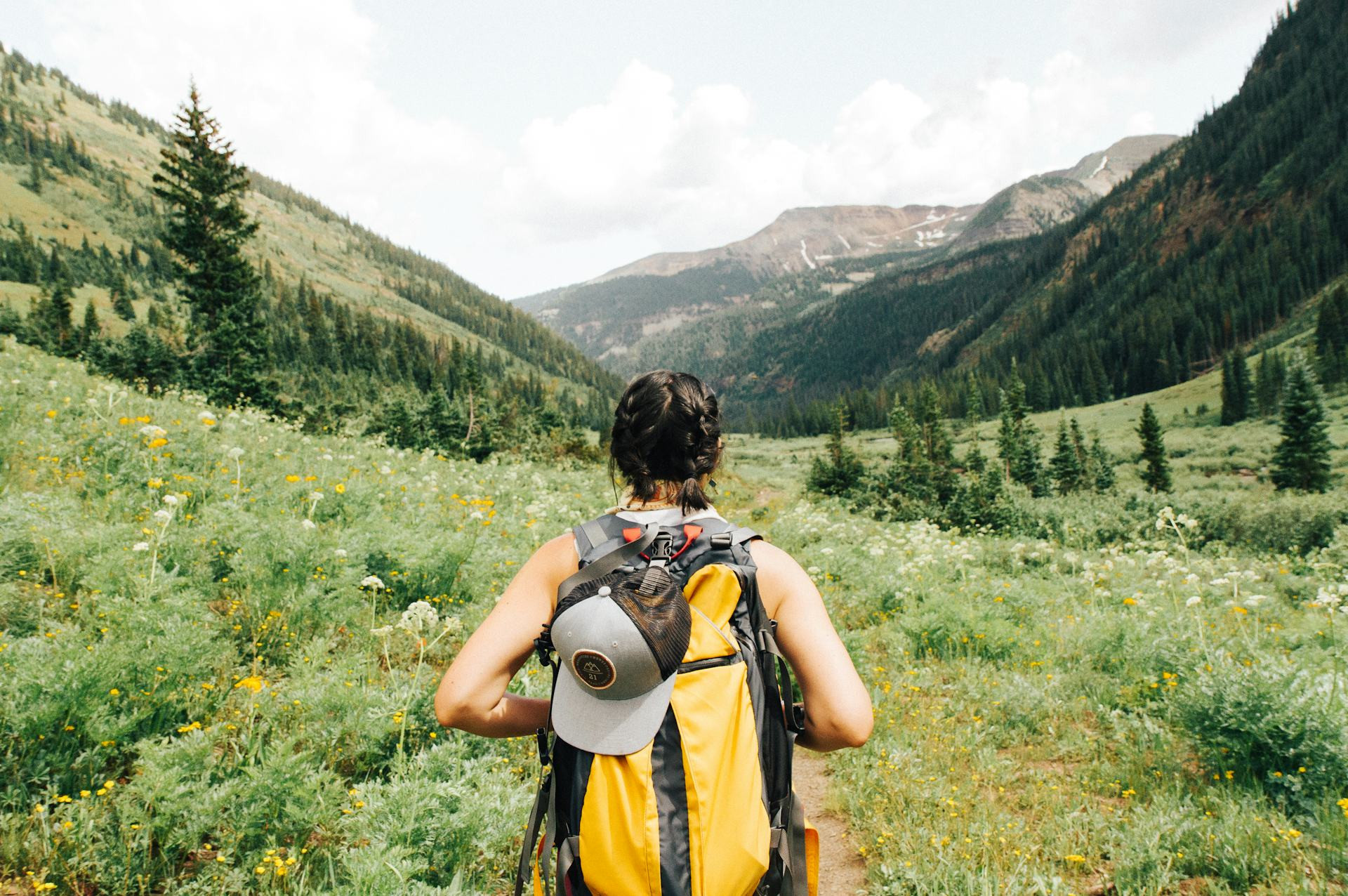
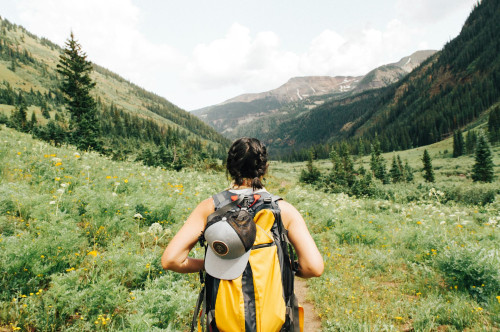
- Backpack: Choose a size that fits your trip. For a weekend adventure, a 40–50 liter pack is usually enough. Look for a supportive frame and adjustable straps for comfort.
- Sleeping bag and pad: Modern materials offer great warmth-to-weight ratios. A down sleeping bag saves space but needs to stay dry, while synthetic options handle moisture better.
- Clothing: Use the layering system – a moisture-wicking base layer, an insulating mid-layer, and a lightweight shell for wind and rain. Quick-drying fabrics are your best friend.
- Cooking gear: A compact stove, a lightweight pot, and a spork (spoon-fork combo) go a long way. Dehydrated meals and calorie-dense snacks keep weight and bulk to a minimum.
When choosing gear, remember that every ounce counts. A few small weight savings here and there can add up to several pounds less on your back.
Pack Smart
How you pack is almost as important as what you pack. A well-organized backpack makes your trip more comfortable and helps prevent strain or injury.
- Keep the heaviest items close to your back and centered for better balance.
- Use small stuff sacks or packing cubes to organize clothing, food, and gear.
- Store items you’ll need during the day – like a rain jacket, snacks, or map – near the top or in side pockets.
- Avoid hanging gear on the outside of your pack; it can throw off your balance and snag on branches.
A great tip is to do a “test pack” at home. Take a short walk with your full load to see how it feels and adjust as needed.
Food and Water – Simple and Nourishing
Trail food should be lightweight, easy to prepare, and energy-rich. Dehydrated meals, oatmeal, nuts, jerky, and energy bars are classics for a reason – they check all the boxes.
Plan your meals ahead of time so you don’t bring too much. A good rule of thumb is about 1.5 to 2 pounds of food per person per day, depending on your activity level.
Always carry enough water, or bring a filter or purification tablets if you’ll have access to natural water sources. A collapsible water bottle or hydration bladder saves space when empty.
Læs også:
Comfort Without Excess
Packing light doesn’t mean giving up comfort. It’s about choosing the right small items that make a big difference.
A lightweight sit pad, a headlamp, a pair of dry socks for sleeping, and a small toiletry kit (toothbrush, sunscreen, first-aid basics) can make your trip much more enjoyable.
Remember, comfort also comes from being present. When you’re not weighed down by too much gear, you move more freely, rest better, and have more energy to enjoy your surroundings.
Leave No Trace
A key part of outdoor life is respecting nature. Pack out all your trash, use established fire rings, and avoid leaving any trace of your visit. The lighter you pack, the easier it is to keep track of your belongings and bring everything back with you.
Traveling light isn’t just practical – it’s a way to show respect for the environment. Take only what you need, and leave the rest behind.
Freedom in Simplicity
Once you experience the freedom of moving with a light pack, you’ll never want to go back. You’ll have more energy, more mobility, and a deeper connection to the natural world.
Outdoor packing made easy is ultimately about finding joy in simplicity – and discovering that the greatest adventures often require the least.
Læs også: