From French Roulette to Online Versions – The Game’s Journey Through History

From French Roulette to Online Versions – The Game’s Journey Through History
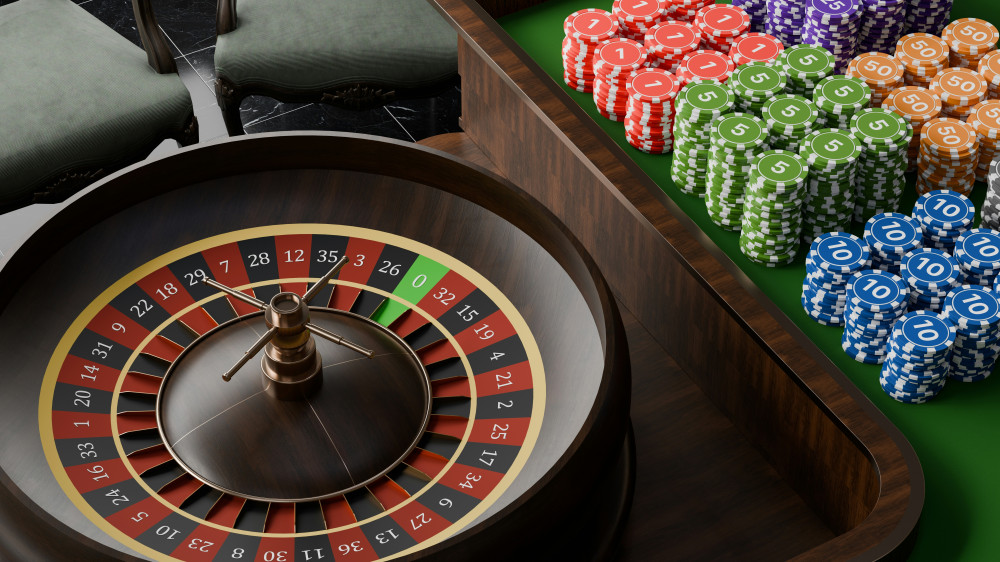
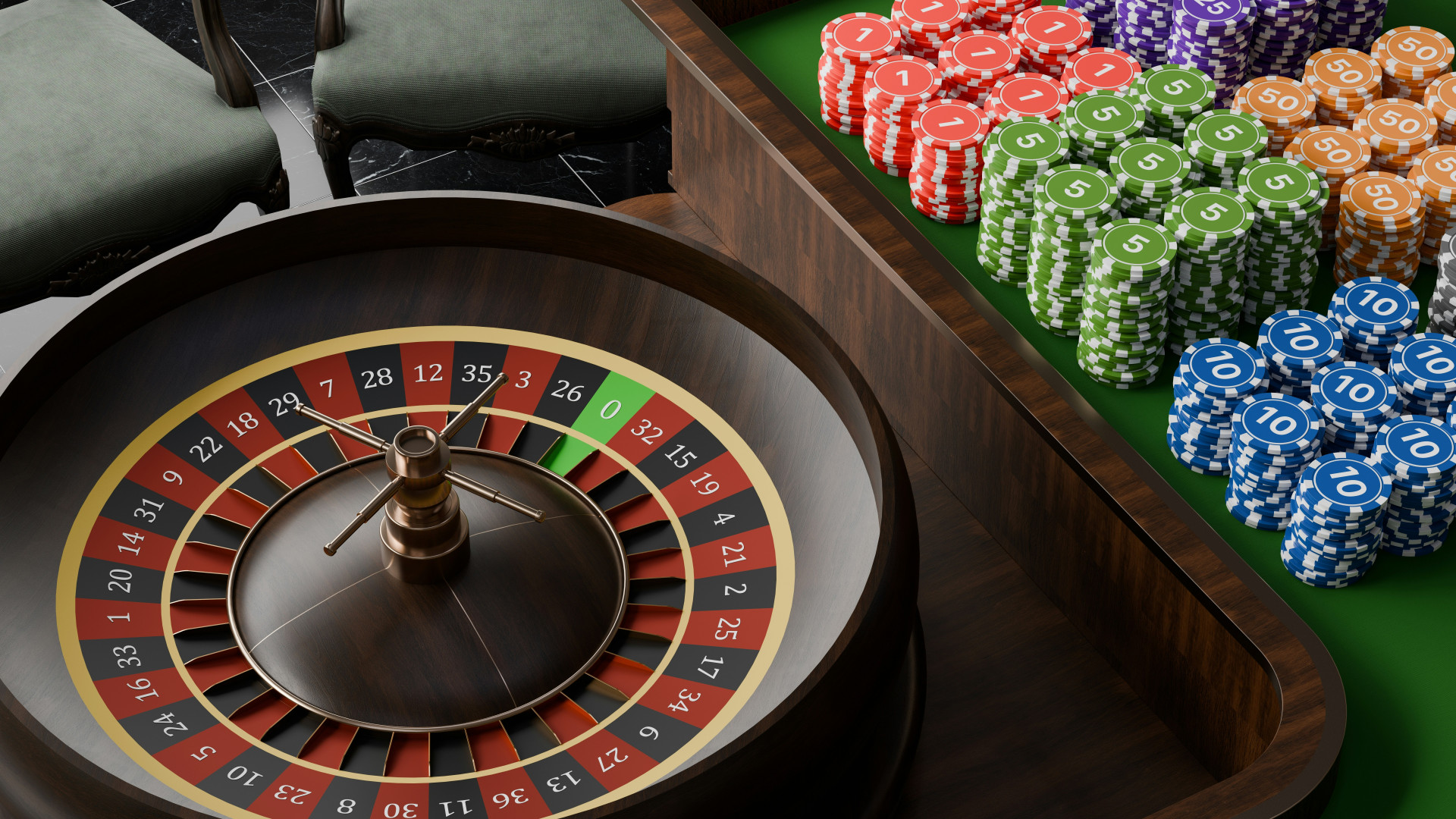
Roulette is one of the most iconic casino games in the world – a game that blends chance, excitement, and elegance. From the first spinning wheels in 18th-century France to today’s digital versions on smartphones and computers, roulette has undergone a fascinating transformation. But how did it all begin, and how has the game managed to stay popular for more than two centuries?
The Beginning in France’s Salons
The story of roulette starts in 18th-century France, where the game emerged as a mix of various gambling traditions and mechanical experiments. The French mathematician Blaise Pascal, while attempting to create a perpetual motion machine in the 1600s, inadvertently laid the groundwork for what would later become the roulette wheel.
The name roulette means “little wheel” in French, and the game quickly became a favorite pastime among the Parisian elite. Early versions of the wheel included both a single zero and a double zero, giving the house a significant advantage – a detail that would later change as the game spread beyond France.
From France to Monte Carlo – and Across the Atlantic
By the 19th century, roulette had become a symbol of glamour and sophistication. When gambling was banned in much of Europe, many enthusiasts turned to Monaco, where the Monte Carlo Casino opened in the 1860s. There, roulette took on its now-classic form with only one zero – the version we know today as European roulette.
Around the same time, the game crossed the Atlantic to the United States. In New Orleans and later in Las Vegas, American casino operators introduced an extra zero, creating the American version of roulette. This change increased the house edge but also added a faster pace and higher potential payouts, which appealed to American players seeking thrill and risk.
The Technological Leap – From Mechanical to Digital Play
The 20th century brought major technological changes to the world of gaming. First came electrically powered and automated wheels, which made the game more reliable and efficient. Then, in the 1990s, the rise of the internet revolutionized gambling once again.
Online casinos began offering virtual roulette tables where players could place bets with a simple click. The earliest versions were basic, but technology advanced quickly. Today, players can choose between classic digital roulette and live dealer games, where real croupiers spin the wheel via high-definition video streams. This combination of convenience and authenticity has made online roulette one of the most popular casino games on the web.
Strategies, Myths, and the Game’s Enduring Appeal
Roulette has always inspired myths and strategies. From the famous Martingale system – where players double their bet after each loss – to more complex mathematical approaches, countless systems have been devised to “beat the wheel.” Yet, roulette remains a game of pure chance, and it’s precisely this unpredictability that keeps players coming back.
The game’s simple rules and visual drama – the spinning wheel, the bouncing ball, the suspense in those final seconds – have made it a timeless symbol of casino culture. Whether in a grand casino or on a smartphone screen, the thrill is unmistakable.
Roulette Today – and Tomorrow
Today, roulette can be played almost anywhere: in physical casinos, on online platforms, and through mobile apps. Emerging technologies like virtual reality (VR) and augmented reality (AR) are beginning to create even more immersive experiences, allowing players to “walk” through virtual casinos and interact with others in real time.
At the same time, responsible gaming and regulation have become central topics, ensuring that the excitement of roulette can be enjoyed safely and fairly. The game has managed to preserve its classic charm while adapting to a modern, digital world where entertainment is just a tap away.
Læs også:




A Game That Never Goes Out of Style
From the salons of 18th-century France to the digital screens of the 21st century, roulette has survived changing times, technologies, and trends. Its blend of simplicity, suspense, and elegance has made it truly timeless. Whether you’re standing at a roulette table in Las Vegas or spinning the wheel online from home, the feeling is the same: that moment of anticipation as the ball spins – and the hope that it lands on your lucky number.
Læs også: